
MIMARA
There are no certain elements to state that Mimara was truly called one name rather than another. To reconstruct the thousand faces of Arsène Lupin born in Croatia, a long journey through the twentieth century was required. His figure is surrounded by an aura of mystery: collector, dealer, painter, restorer, or merely a talented forger and art thief? Perhaps he was all of these at once.
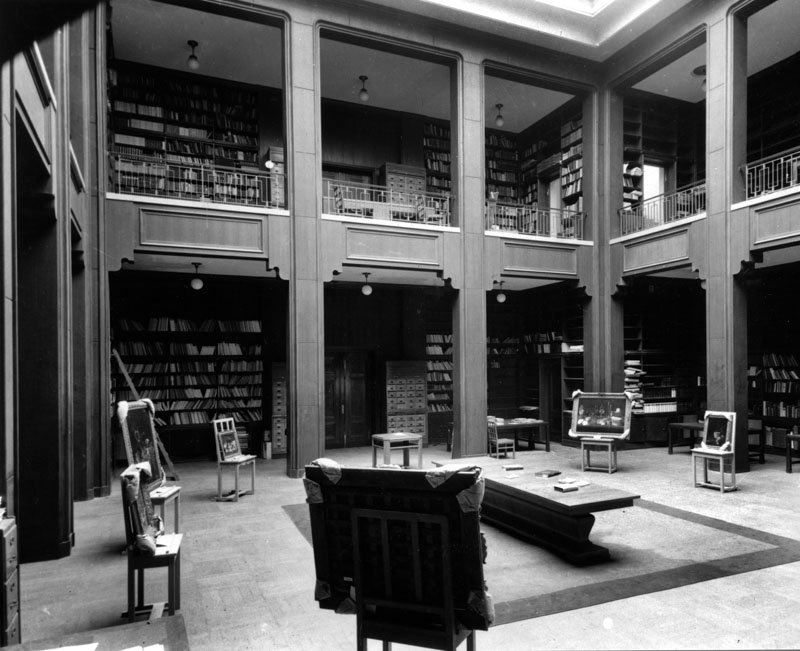
Certainly a master of disguise and endowed with extraordinary intelligence, he was able to roam from the Old Continent to South America, only to return to his homeland. His existence is summed up in a quotation from Horace that appears in the catalogue of his museum: Exegi Monumentum.
Writing a historical-biographical novel about Ante Topić Mimara, one of the most controversial figures of the twentieth century, required years of study and in-depth research across countless international sources (publications, articles, interviews, reports, investigations). Given the variety of “masks” Mimara wore during his eighty-nine years of life, it is inevitable that his path cannot be traced with absolute certainty. Yet it is not difficult to imagine that this aura of mystery surrounding him is, in truth, exactly what he always desired. It is indisputable that, in his own way, he was one of the protagonists of the twentieth century surviving two world wars unscathed, moving among some of Europe’s most influential figures, and ultimately leaving an indelible mark, not only on the world of art.