TEREZIN
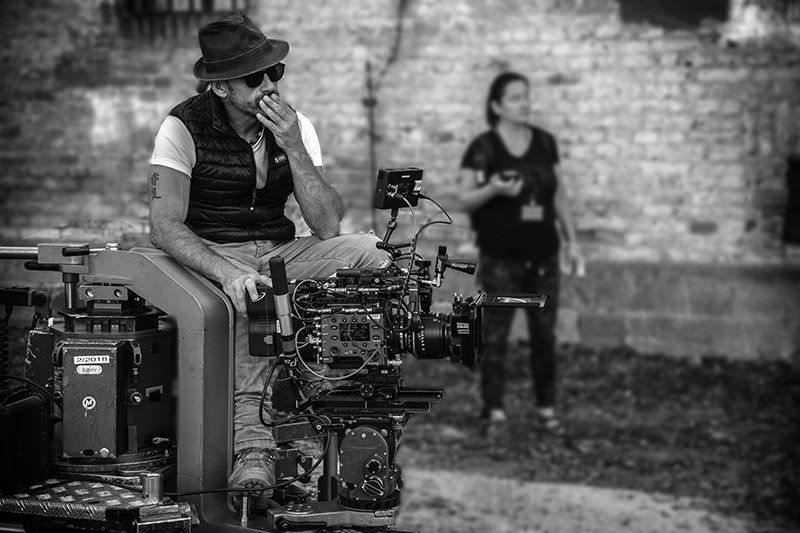
Director: Gabriele Guidi
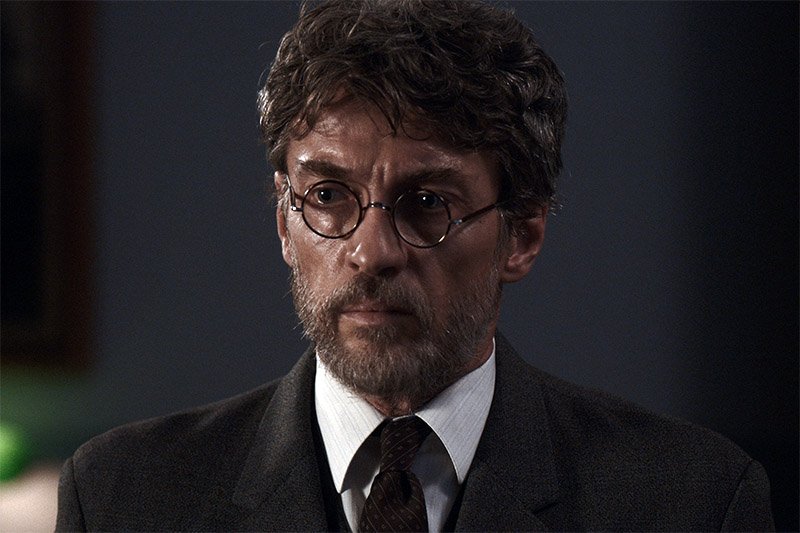
Cast: Mauro Conte, Dominika Moravkova, Alessio Boni, Cesare Bocci, Antonia Liskova,
Jan Révai, Marián Mitaš,Petr Vanek, Marek Lambora, Maia Morgenstern, Karel Dobry
Screenplay: Gabriele Guidi, Ennio Speranza, Alessandro Zannoni
Language: Inglese
Cinematography: Maura Morales Bergmann
Original Score Emanuele Frusi – published by Universal Music
Genre: Period – Musical
Release Date: 27 Gennaio 2023 (Italia)
Country: Italy, Czech Republic
Running Time: 110 min
Production: Minerva Pictures, OvePossibile, Rai Cinema, Three Brothers
Distribution: Minerva International
Festival & Awards:
Official Selection, Miami Jewish Film Festival (USA) 2023
Official Selection, Izimir International Film Music Festival (TUR) 2023
Official Selection, Magna Grecia Film Festival (ITA) 2023
Winner - Best Debut Feature, Terra di Siena International Film Festival (Italy) 2023
Official Selection, Charleston Cinema Italiano Festival (USA) 2024
Official Selection, Asti Film Festival (ITA) 2025

TRAILER
SOUNDTRACK
REVIEWS
-
The film effectively portrays the struggle of men who, stripped of everything, entrusted their cry for freedom to art and music.
Coming Soon
-
A collective narrative portraying an untold slice of history, with music as the last hope for redemption. The striking contrasts are made even more powerful by the strong chemistry among the cast.
il Giornale
-
The film describes the power of art in extreme situations, telling how man is capable of denying himself and at the same time capable of performing absolute miracles.
Cinematografo
-
It is not easy to create something new on this subject; however, Terezin offers something undeniably compelling: the tragedy hits without being explicit, reaching deep into the soul. The cinematography is excellent, with a perfectly balanced pace.
L’occhio del Cineasta
-
The “model ghetto that Berlin envisioned,” Terezin, serves as the lesser-known melodic counterpoint in the vast sea of Holocaust memory.
Il Fatto Quotidiano
-
The power of music and the light beyond the darkness of the Holocaust. In Terezin, love, horror, and hope intertwine. The director tells a little-known story and hits the mark.
The Hot Corn
-
The film deliberately avoids images that are already familiar from many other accounts. The director relies on the audience’s prior knowledge of the subject, allowing music to take center stage as the sole protagonist.
Cabiria
-
The originality of the film lies in its fresh perspective, which, by avoiding a mere depiction of suffering, gives full space to expressive freedom.
La Lanterna Web
10 curiosities about the Film
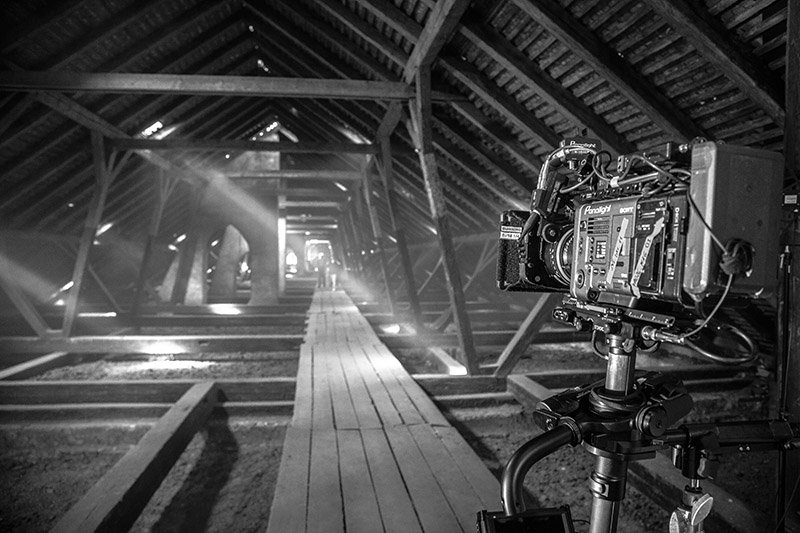
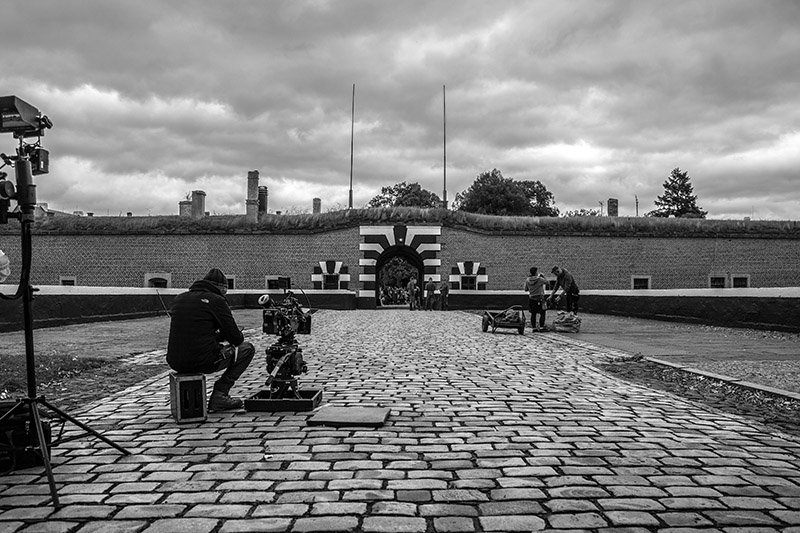
Many scenes of the film were actually shot inside the Terezin Memorial, following long months of discussions and negotiations with the museum management, which had never before granted access for film productions.
The cast comes from many countries: Italy, Czech Republic, Slovakia, Romania, Germany, England, United States, etc. In addition to seeking slightly different physical features, the aim was also to ensure that the English of the original version offered a perception of disparate origins (people from many different nations were locked up in the ghetto).
The color palette of the photography is mainly inspired by two films: Bridge of Spies (S.Spielberg) and The Imitation Game (M.Tyldum).
To obtain the rights to Hans Krása’s Brundibár (performed by Jan Révai), the U.S. institution responsible for its use conducted a thorough review of the screenplay to ensure historical accuracy. It took over six months to secure authorization.
Preparation for the film’s score (Emanuele Frusi) began two years before filming started and was later recorded in Skopje with 45 musicians from the Fame’s Project Orchestra.
The piece of paper with the pentagram that Martina (Dominika Moravkova) always carries with her and which recurs in several scenes is a clear “homage” to the feather from Forrest Gump (R. Zemeckis).
The corridor that Antonio, Martina and Schächter walk through in Prague in a flashback in the film is the same one used by director Miloš Forman (2 Oscar winners) for Amadeus and whose original colors were never changed.
To allow Karel Dobrý (recipient of the Czech Lion Award) to play the German non-commissioned officer Baumann, the film’s shooting schedule was adjusted to accommodate his simultaneous commitments on the set of the series Carnival Row in Prague.
The film’s screenplay was developed over seven years, following the reading and study of more than 50 texts on the Terezin ghetto (in English, French, and Czech), the examination of around 25 biographies of the artists imprisoned there, and numerous trips to Prague and Israel to access archives and historical documents.
To portray the musicians in the film, the cast underwent extensive training: in particular, Mauro Conte (Antonio) for the clarinet; Cesare Bocci (Rafael Schächter) for orchestral conducting; and Dominika Moravkova (Martina) for the violin.